
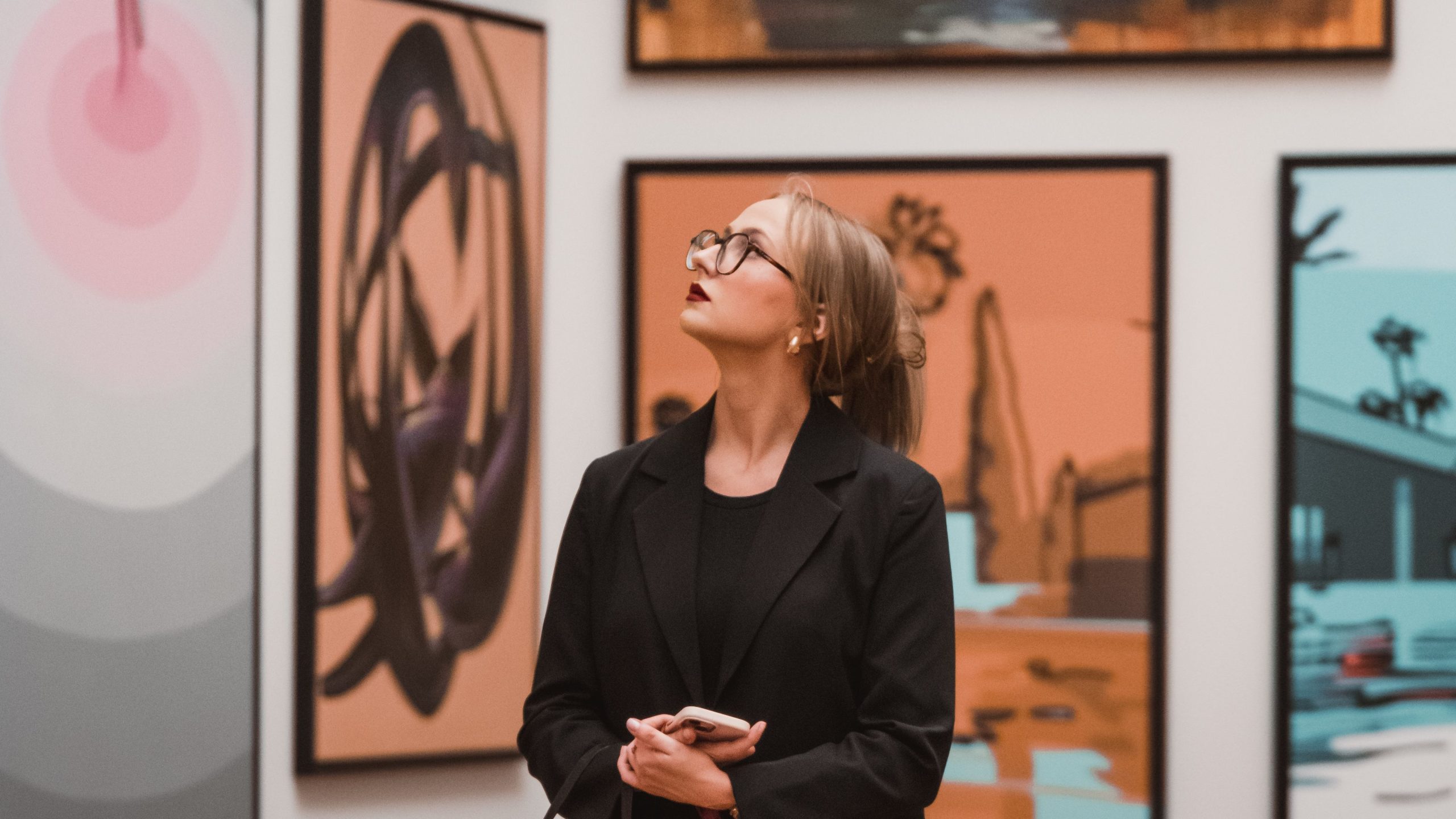
Somewhere between the clink of champagne glasses and the confident nod of a seasoned collector, it’s easy to believe art auctions are reserved for the ultra-wealthy. In reality, they’re simply marketplaces with better lighting, richer stories and considerably more interesting conversation. Whether you’re searching for your first original artwork or hoping to begin a collection your family may one day treasure, an auction is one of the most exciting places to start.
South Africa has a thriving art market, with respected auction houses such as Strauss & Co, Aspire Art Auctions and Russell Kaplan Auctioneers regularly offering everything from works by celebrated masters to exciting contemporary artists. While six-figure masterpieces often make the headlines, many exceptional pieces are surprisingly attainable, making an auction a realistic entry point for first-time collectors.
Before the auctioneer ever calls, “Sold!”, there is plenty to discover. Auction houses host preview exhibitions where prospective buyers can view the artworks up close, inspect their condition and speak to specialists. Think of it as a gallery visit with the added thrill that, if you fall in love with a piece, it could soon be hanging in your own home.
As you browse the catalogue, you’ll notice each artwork carries an estimated selling range. This isn’t a price tag but an informed guide based on factors such as the artist, rarity, condition and recent market demand. Some works exceed expectations after spirited bidding, while others may not attract enough interest to sell.
Here’s the insider tip every newcomer should know: the hammer price isn’t usually the final amount you’ll pay. Most auction houses charge a buyer’s premium, and applicable taxes or fees may also be added. If your budget is R20,000, pretend it’s R17,000. Your future self, when the invoice arrives, will thank you.
You’ll also hear specialists mention provenance. This refers to the documented history of an artwork, including previous ownership, exhibition history and supporting documentation. Good provenance can strengthen confidence in an artwork’s authenticity and often makes it more desirable to future collectors.
Perhaps the biggest challenge isn’t understanding the process but managing the adrenaline. Auctions move quickly, and it’s surprisingly easy to get caught up in the excitement of outbidding the person across the room. The wisest collectors decide on their maximum bid before the auction begins and have the discipline to stop when they reach it. There will always be another auction, but there won’t always be another budget.
Finally, remember this: the best collections aren’t necessarily the most expensive. They are the ones filled with pieces that evoke memories, spark conversation and bring joy every time you walk past them. Markets fluctuate, trends come and go, but buying art you genuinely love is an investment that pays dividends every single day. After all, anyone can buy a painting. Building a collection with meaning, character and a story to pass on, that is where legacy truly begins.
