
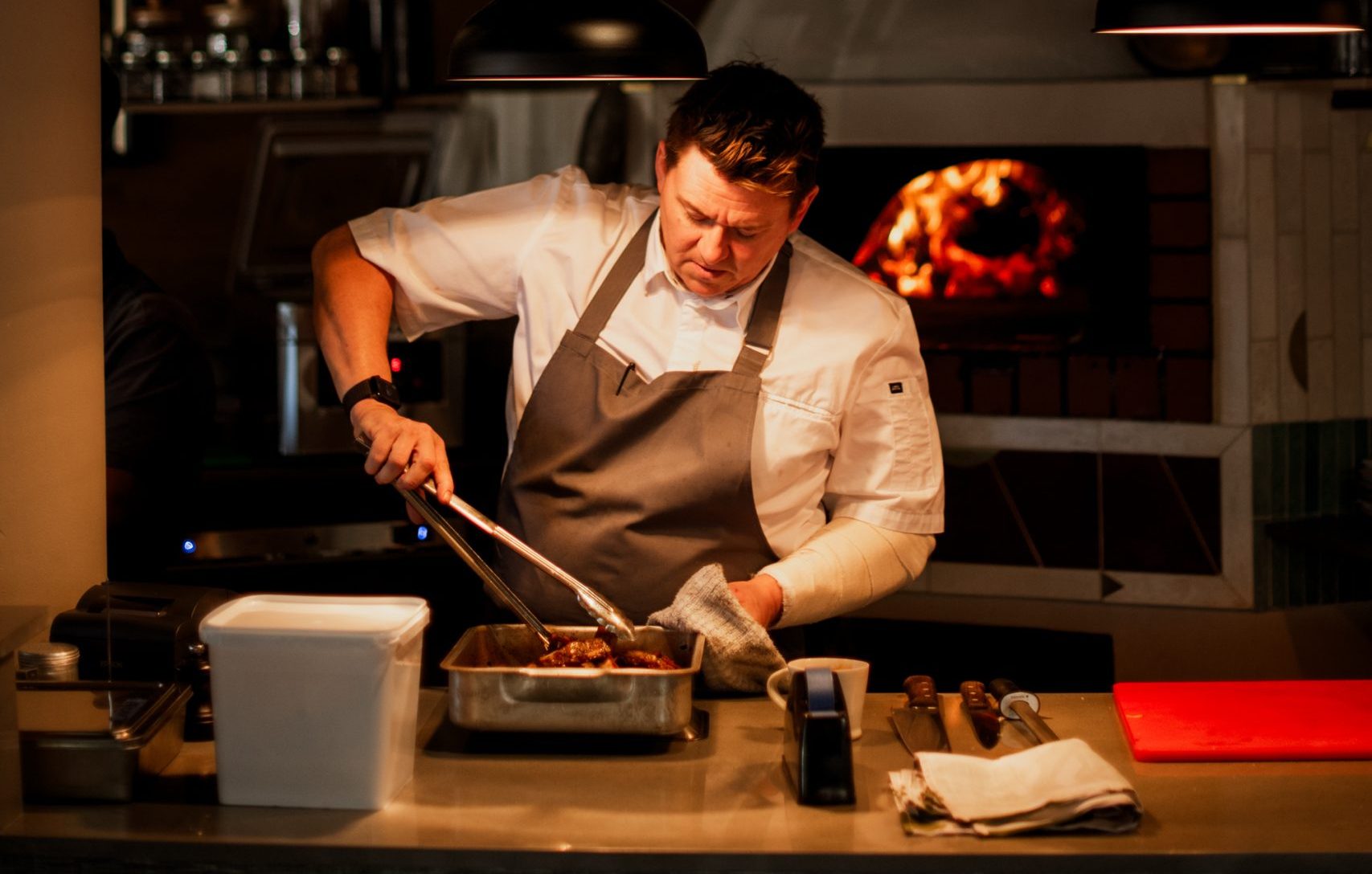
With a focus on seasonal, sustainable ingredients and a relaxed dining experience, Phil Carmichael’s unpretentious approach to food offers a comforting yet refined experience at Mill St Bistro, in the heart of the Winelands.
ABOUT PHIL CARMICHAEL
Chef Phil Carmichael began his culinary career as a teenage pot-washer at a village pub in Wales. He honed his skills under Michel Roux Jnr at Le Gavroche in London, mastering classic techniques and precision in a fast-paced environment.
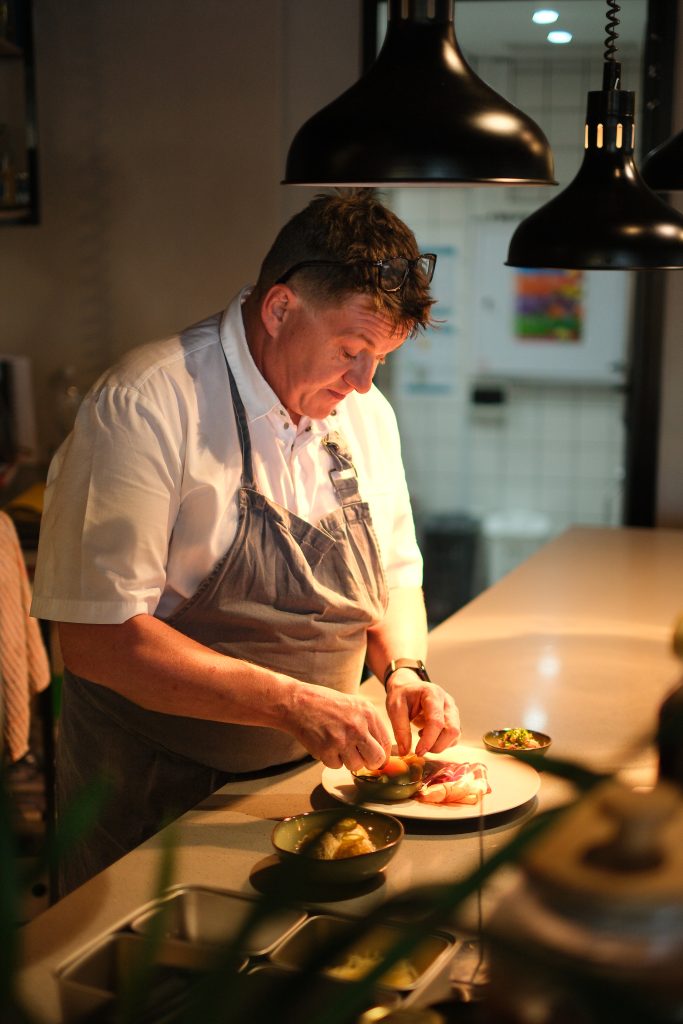
He later became Senior Sous Chef at Gordon Ramsay’s Maze London and earned his first Michelin star as Executive Chef at MAZE Prague. Phil then led Maze Cape Town at the One&Only, launched Esquina tapas bar in Singapore, and opened The Little Social in London.
From 2013, he served as Executive Chef at The London EDITION Hotel, heading the acclaimed Berners Tavern, which won the AA’s 2015 Restaurant of the Year award. After nearly a decade, he returned to SA to open Mill St Bistro in Stellenbosch.
Twice Welsh champion of the Great British Menu, Phil champions the best ingredients, simple dishes, and timeless techniques. At Mill St Bistro, he focuses on minimal intervention and connecting diners with farmers, fishermen, and their stories.
We asked Chef Carmichael about how his training at Le Gavroche shaped his approach, his passion for fermentation, and how he incorporates these influences into classical French cuisine.
WHAT’S ONE THING YOU LEARNED AT LE GAVROCHE THAT YOU STILL DO?
Try not to waste anything. Nothing in that kitchen went into the bin; it was always used for something. Put it in a stock or put it in a sauce. We never threw anything out. For me, that’s one thing I think all chefs should do.
HOW DID YOU GET INTO FERMENTATION?
I’m addicted to buying cookbooks. I buy cookbooks on everything: different cuisines, different techniques. Then I came across a book called The Art of Fermentation by Sandor Katz, who’s known as the fermentation revivalist. He just blew me away. Once you start fermenting, it’s pretty difficult to stop.
WHAT’S YOUR FAVOURITE FERMENT?
Probably the simplest one: sauerkraut. It just shows what you can do with two ingredients and a bit of time – as in the span of time, not the herb.
WHO GAVE YOU YOUR BEST ADVICE?
Nothing was verbally spoken, but watching my old man just get on with things and having the determination to keep moving forward, no matter what obstacles arose, was a valuable lesson.
HOW DO YOUR FERMENTS WORK IN CLASSICAL FRENCH DISHES?
Most ferments are acidic so they can replace any vinegar component. But ferments don’t replace anything; instead, they’re more like an addition. They give you another flavour profile to work with and another technique to try and harness and incorporate into your food.
