
The South African Reserve Bank’s (SARB) ( https://www.resbank.co.za/content/dam/sarb/publications/composite-business-cycle-indicators/2026/Composite%20Business%20Cycle%20Indicators%20July%202026.pdf) latest release of composite business cycle indicators (28 July 2026) points to an economy under strain:
- Leading indicator: Decreased 0.3% in May 2026, as declines in 5 of the 10 component series outweighed increases in the other 5. The largest negatives were a deterioration in the RMB/BER Business Confidence Index and fewer residential building plans approved. The positives came from accelerations in the six‑month smoothed growth rates of the real M1 money supply and new passenger vehicle sales.
- Coincident indicator: Fell 0.4% in April 2026, driven by weaker wholesale, retail, and motor trade sales and a drop in the industrial production index.
- Lagging indicator: Rose 0.1% in April 2026, reflecting past activity rather than fresh momentum.
The above indicators in a nutshell highlight that confidence and construction are slipping, demand is weakening, while liquidity and car sales show resilience.
While indicators point to strain, the SARB in July held the repo rate at 7% and the prime lending rate at 10.5%. The move surprised many who had expected another hike. In its statement, the Bank described the stance as “restrictive but necessary” and warned that “municipal dysfunction has become a binding constraint on growth. With domestic reforms, we think the economy can get back to a rising growth trend, as global conditions stabilise.”
The statement added, “Our baseline forecast is that the economy starts to recover in the second half of this year, as the shock fades. But the outlook is uncertain. We see downside risks to growth.”
That caution is reflected in the data. Stats SA projects GDP growth of just 1.2% for 2026, while some other forecasts put it closer to 1.6% – well below the 3-4% needed to drive sustainable job creation.
For boards and executive teams, return on investment is heavily influenced by borrowing rates, and with debt costs high, many may choose to delay capital expenditure. With growth projected at just 1.2-1.6% in 2026, executives may be cautious about whether the market can deliver sufficient returns.
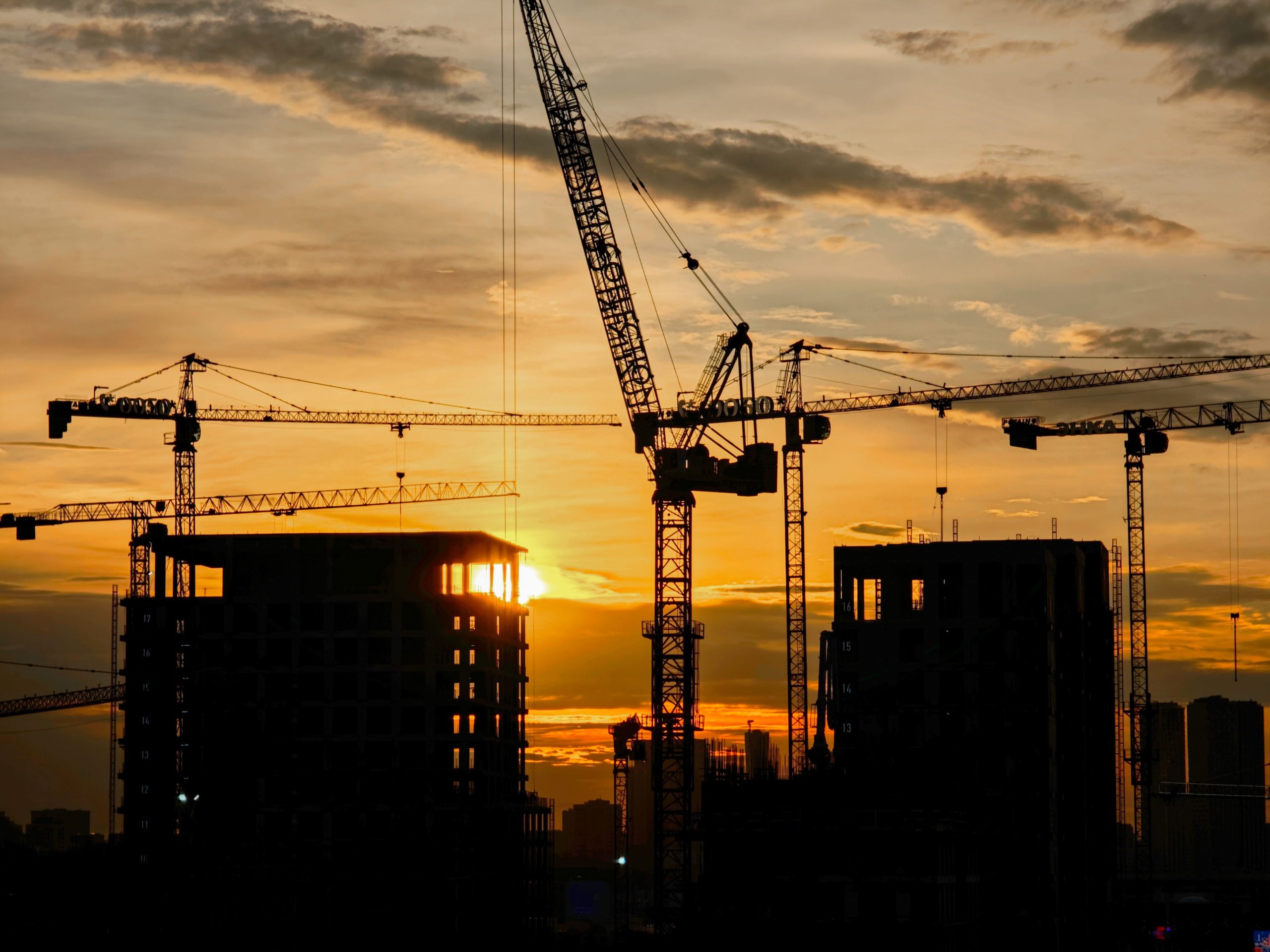
Commenting on the high interest rate impact, Frank Knight, CEO of Debtsource, says: “Few industries are as sensitive to interest rates as construction. Higher rates directly affect property developers, contractors and infrastructure investors by increasing the cost of project financing.”
From a transport perspective, he cautions: “The transport and logistics sector is equally vulnerable. Fleet operators frequently utilise debt financing to acquire trucks, trailers, warehousing facilities and other capital assets. As interest rates rise, monthly debt repayments increase, directly affecting profitability.
“At the same time, higher interest rates typically slow overall economic activity, resulting in reduced volumes of goods being transported throughout the country. Manufacturers produce less, wholesalers order less stock, and retailers experience weaker consumer demand. This combination of rising costs and declining volumes can place substantial pressure on transport operators, particularly smaller businesses with limited financial reserves.”
The Reserve Bank is trying to keep inflation in check, but structural reform is required. Energy supply, logistic and municipal challenges need to be addressed. For businesses the priority is managing debt in a high‑rate environment while protecting margins. From a policy perspective urgency is needed.
