
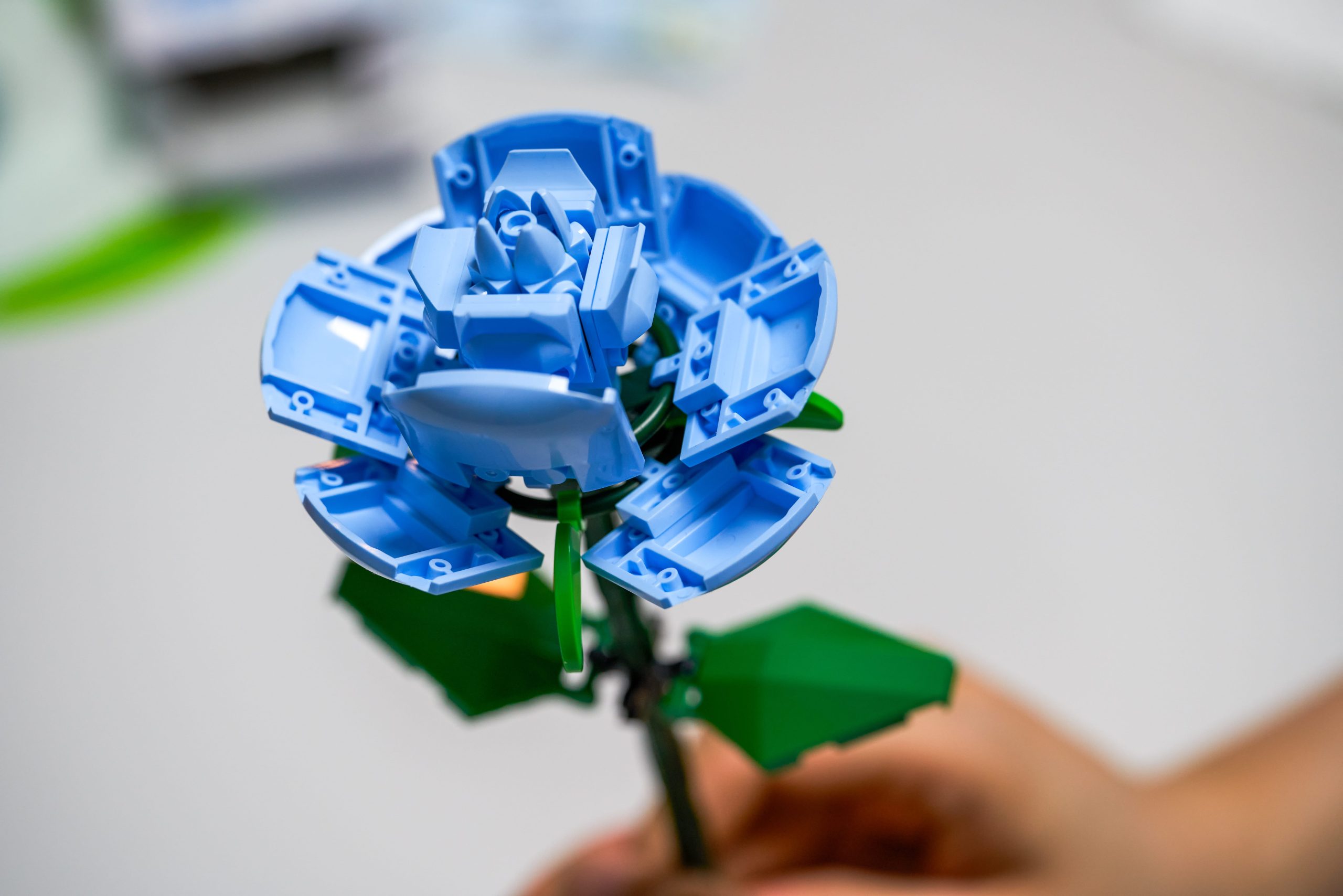
Across South Africa and beyond, more men are turning to practical hobbies like LEGO, puzzles and model kits to relax, refocus and reconnect with themselves.
Building LEGO isn’t about reliving childhood; it’s about giving an overworked brain something simple, structured and absorbing to do. The repetitive click of the bricks, the order amid chaos, the gradual progress – all of it draws attention to the present moment.
That’s mindfulness in its most practical form.
Research into tactile play shows that fine motor activities help reduce stress hormones, slow heart rate and enhance mood regulation. The hands are occupied, the mind is calm and the cycle of small, satisfying victories gently stabilises the nervous system.
As one online builder explained, “Lego helps my brain wind down at night before bed. My doctor actually told me to look into it as a form of meditation, and it worked for me surprisingly.”
For many men, the allure of this kind of activity lies in what it doesn’t demand: no performance, no conversation and no goal other than the next piece. After a day of deadlines and screens, the tactile feedback of fitting bricks together provides something that is often missing from modern life: tangible completion.
Therapists often describe this state as a flow state, where time seems to dissolve and the mind enters a deep level of concentration. It’s the same mental rhythm experienced through art, music or long-distance running.
And when practised regularly, it provides a powerful reset for anxiety and burnout. Another builder summed it up nicely online: “It’s the one hour of my day when I don’t think; I just build, and somehow that’s enough.”
Following instructions and witnessing something take form (a car, a castle, a spacecraft) offers a sense of progress that life often withholds. These small victories release dopamine, the brain’s feel-good chemical, creating a natural cycle of reward and calm.
And because building is visual and physical, it prevents emotions from spiralling inward. Instead of replaying stress, the body and brain work together towards something complete and straightforward. That balance between order and creativity can be surprisingly restorative.
Men’s Mental Health Month encourages open conversation, but it’s also about discovering what personally helps. For some, that means talking; for others, it involves building, drawing, gardening or cooking – activities that ground them in the present and provide satisfaction through creation.
Play is a form of practise for mindfulness. It reconnects men with patience, imagination and a gentle focus that is often lost in adulthood. In an age of instant everything, these slow, steady hobbies remind us that healing isn’t a sprint; it’s assembly, block by block.
